Understanding Water Damage Restoration in West Vancouver
Water damage is a pervasive issue that can have devastating effects on residential and commercial properties. In West Vancouver, where heavy rainfall and aging infrastructure are common, the risk of water damage is particularly high. It is essential for property owners to understand the nuances of Water Damage Restoration West Vancouver to mitigate damage effectively and preserve the integrity of their buildings. Timely intervention can mean the difference between a minor inconvenience and a costly repair.
What Is Water Damage Restoration?
Water damage restoration is the process of cleaning, drying, and repairing a property after it has been affected by water intrusion. This can involve anything from removing excess water and moisture to repairing structural damage and restoring items to their pre-damage condition. The restoration process typically requires a comprehensive understanding of water damage dynamics and effective mitigation strategies.
The Importance of Timely Response
Timeliness is critical when addressing water damage. Water can begin to cause significant structural harm and promote mold growth within as little as 24-48 hours. A rapid response not only helps to minimize physical damage but also reduces health risks associated with mold and other contaminants.
Common Causes of Water Damage in West Vancouver
Several factors can lead to water damage in West Vancouver:
- Heavy Rainfall: The area is known for its frequent and intense rainstorms, which can overwhelm drainage systems and lead to flooding.
- Aging Plumbing: Older pipes are prone to leaks and breaks, which can result in internal flooding.
- Appliance Failures: Household appliances like washing machines and dishwashers can malfunction, leading to water leaks.
- Sewage Backups: Blocked sewer lines can cause sewage to back up into homes, posing serious health risks.
- Roof Leaks: Aging roofs that are compromised can allow water to infiltrate the house, especially during heavy downpours.
Identifying Signs of Water Damage
Early Warning Signs in Residential Properties
Recognizing the early signs of water damage can help homeowners act swiftly to mitigate damage. Look for:
- Water stains on walls or ceilings
- Peeling or bubbling paint
- Musty odors that indicate mold growth
- Soft or warped flooring
- Visible mold or mildew
How to Inspect Your Home for Water Damage
Regular inspections can help identify potential water damage before it escalates. During an inspection, check areas prone to moisture buildup, such as basements, bathrooms, and around windows. Look for discoloration, warping, or unexpected dampness.
Professional Assessment: Why It Matters
While homeowners can conduct preliminary inspections, a professional assessment is crucial for accurately identifying the extent and source of water damage. IICRC-certified technicians utilize specialized equipment and techniques to detect hidden moisture and prevent future issues.
The Water Damage Restoration Process Explained
Step-by-Step Guide to Effective Restoration
The water damage restoration process typically involves several key steps:
- Assessment: A thorough inspection of the affected areas to determine damage extent.
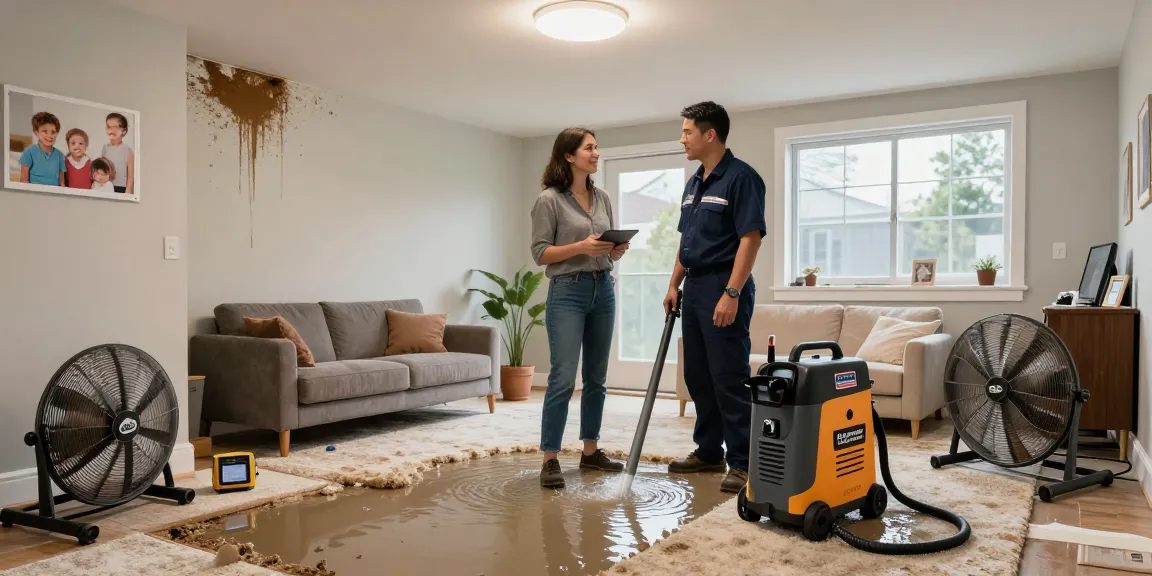
- Water Extraction: The use of pumps and vacuums to remove standing water.
- Drying and Dehumidification: Setting up industrial dehumidifiers and air movers to eliminate moisture.
- Cleaning and Sanitizing: Treating affected areas with antimicrobial agents to prevent mold growth.
- Restoration: Repairing structural damage and restoring the property to its pre-damage condition.
Equipment Used in Water Damage Restoration
Effective water damage restoration requires specialized equipment, including:
- Water Extraction Units: Powerful devices designed to remove large volumes of water quickly.
- Industrial Dehumidifiers: Machines that reduce humidity levels in the air to promote faster drying.
- Air Movers: High-velocity fans used to circulate air and assist in the drying process.
- Moisture Meters: Instruments that measure moisture levels in various materials to ensure complete drying.
- Thermal Imaging Cameras: Tools that detect hidden moisture behind walls and ceilings.
The Role of IICRC-Certified Technicians
IICRC-certified technicians play a crucial role in the restoration process. Their training ensures they are knowledgeable about the best practices in water damage restoration, including effective drying techniques, safety protocols, and proper use of equipment. This expertise is vital for preserving property and ensuring health standards are met.
Insurance and Water Damage Restoration
Navigating Insurance Claims for Water Damage
After experiencing water damage, navigating insurance claims can be challenging. It’s crucial to document all damage with photographs and detailed notes. Having a restoration professional assist in this process can streamline the claims filing and ensure that all necessary paperwork is submitted.
How VR PLUS Supports Your Insurance Process
VR PLUS Restoration provides invaluable assistance throughout the insurance process. We help document damage, provide estimates, and work directly with your insurance adjuster to facilitate a smooth claims experience.
Understanding Coverage and Deductibles
Understanding your insurance coverage is essential. Different policies have various stipulations regarding water damage, including deductibles and coverage limits. Always review your insurance policy and consult your agent to clarify any uncertainties.
Proactive Measures and Future Trends in Water Damage Management
Preventing Future Water Damage in Your Home
Taking proactive measures can significantly reduce the risk of future water damage. Some recommendations include:
- Regular inspection and maintenance of plumbing systems
- Installing sump pumps to manage water accumulation in basements
- Utilizing water sensors to detect leaks early
- Ensuring proper drainage around your property
- Regular roof inspections and upkeep
Emerging Technologies in Water Damage Restoration
As technology evolves, so do the methods of water damage restoration. Innovations include advanced moisture detection tools, eco-friendly cleaning solutions, and automated drying systems that can improve efficiency and efficacy during restoration.
What to Expect in 2026 and Beyond for Restoration Services
The future of restoration services will likely be shaped by advancements in technology and a growing emphasis on sustainability. Expect to see more focus on environmentally friendly materials and practices, as well as the integration of AI and machine learning to optimize restoration processes.
What are the Costs of Water Damage Restoration?
Costs associated with water damage restoration can vary widely based on factors such as the extent of the damage, type of water involved (clean, gray, or black water), and necessary repairs. On average, homeowners may face expenses ranging from a few hundred to several thousand dollars depending on the severity of the damage.
How Quickly Should Water Damage Be Addressed?
Water damage should be addressed as quickly as possible—ideally within 24 hours. This prompt response helps prevent mold growth and limits damage to structures and materials.
What Equipment is Used in Water Damage Restoration?
Restoration professionals utilize a variety of equipment to effectively manage water damage, including extraction pumps, drying fans, and dehumidifiers. Understanding the tools used can help homeowners make informed decisions about their restoration services.
Can Water-Damaged Materials Be Restored?
Many water-damaged materials can be restored, depending on the level of damage and the type of materials involved. Professional assessment is crucial in deciding whether to restore or replace items.
Does VR PLUS Assist with Insurance Claims?
Yes, VR PLUS provides comprehensive support for homeowners navigating insurance claims. Our team assists with documentation, facilitates communication with insurers, and ensures that all necessary information is gathered for a successful claim.