Understanding Residential Metal Roofing
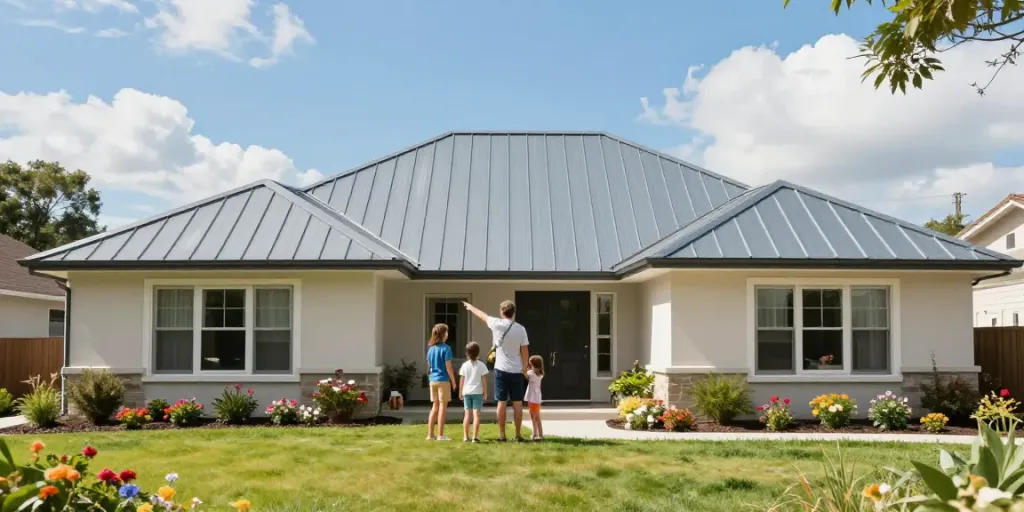
Residential metal roofing is gaining popularity among homeowners due to its durability, aesthetic appeal, and energy efficiency. As more people choose to invest in sustainable and long-lasting materials, metal roofs are emerging as a viable alternative to traditional shingles. With an impressive lifespan, minimal maintenance requirements, and a variety of styles and colors, it's vital to understand the facets of this roofing option. When exploring options, Residential Metal Roofing provides comprehensive insights into what makes metal roofing such an attractive choice for residential homes.
What is Residential Metal Roofing?
Residential metal roofing refers to roofs that are made from metal materials, including steel, aluminum, copper, and zinc. Unlike traditional roofing materials such as asphalt shingles, metal roofing systems are designed to last significantly longer—often 50 years or more with proper care. They come in various styles and forms, including standing seam, corrugated panels, and metal shingles, providing homeowners with numerous options to suit their preferences and home architecture.
Types of Metal Roofing Materials
There are several types of metal roofing materials available, each with distinct characteristics and benefits. Here are the most common types found in residential applications:
- Steel: Galvanized or galvalume steel is highly durable and resistant to rust, making it one of the most popular choices for metal roofs.
- Aluminum: Lightweight and resistant to corrosion, aluminum is an excellent option for coastal regions where salt exposure can be an issue.
- Copper: Renowned for its beauty and durability, copper develops a distinctive patina over time and is often used in premium applications.
- Zinc: Similar to copper, zinc is long-lasting and develops a protective patina that enhances its appearance.
Benefits of Choosing Metal Roofing
Opting for metal roofing presents several advantages, making it a preferred choice for many homeowners. Some key benefits include:
- Longevity: Metal roofs can last 50 years or longer, often outlasting conventional roofing materials.
- Energy Efficiency: Metal reflects solar radiant heat, leading to reduced energy costs in warm climates.
- Low Maintenance: Unlike asphalt shingles, metal roofs require minimal maintenance, primarily involving periodic inspections.
- Environmentally Friendly: Many metal roofs are made from recycled materials and are fully recyclable at the end of their life cycle.
- Aesthetic Variety: Available in an extensive range of styles, colors, and finishes, metal roofing can complement any home design.
Choosing the Right Metal Roofing for Your Home
Making the right choice for your metal roof requires careful consideration of various factors to ensure it meets your needs and preferences.
Factors to Consider When Selecting Metal Roofs
When selecting a metal roofing system, consider the following factors:
- Climate: Choose materials resistant to weather conditions specific to your region, such as high winds, hail, or salt spray.
- Style: Select roofing that complements your home's architectural style, whether modern, traditional, or rustic.
- Budget: Assess the material costs, labor, and potential energy savings to determine the best fit for your financial situation.
- Color and Finish: Opt for colors and finishes that enhance curb appeal while providing energy efficiency benefits.
Comparing Costs of Metal Roofing Options
The cost of metal roofing can vary based on several factors, including material type, installation complexity, and local labor rates. Generally, homeowners can expect to pay between $300 to $700 per square (100 square feet) for a metal roof. Here’s a brief breakdown of costs associated with different metal roofing materials:
- Steel: $300 - $500 per square
- Aluminum: $400 - $650 per square
- Copper: $700 - $1,200 per square
- Zinc: $600 - $1,200 per square
It's essential to consider both the upfront cost and long-term value, as metal roofs can reduce energy bills and minimize the need for repairs over time.
Common Myths About Metal Roofing
Despite the numerous benefits, several myths surrounding metal roofing persist. Clarifying these misconceptions can help homeowners make informed decisions:
- Myth 1: Metal roofs are noisy during rain and hail. Fact: Proper insulation and roofing materials minimize sound significantly.
- Myth 2: Metal roofs attract lightning. Fact: Metal does not attract lightning; in fact, they can be safer than other roofing materials.
- Myth 3: Metal roofs are prone to rust. Fact: Most metal roofing products are coated to prevent rust and corrosion.
Installation Process of Residential Metal Roofing
Understanding the installation process is essential when considering residential metal roofing. A proper installation can significantly impact the roof's lifespan and performance.
Preparing Your Home for Installation
Before installation begins, homeowners should prepare their home by ensuring that existing roofing materials are removed and the structural integrity of the roof deck is assessed. This may involve:
- Removing old roofing materials.
- Inspecting for water damage or rot.
- Installing a proper underlayment to enhance insulation and waterproofing.
Step-by-Step Installation Guide
The process of installing a metal roof generally includes the following steps:
- Install Underlayment: Lay a water-resistant underlayment to provide additional protection against moisture.
- Attach the Metal Panels: Begin at the lowest point of the roof, securing panels with screws specifically designed for metal roofs.
- Add Flashing: Install flashing around chimneys, vents, and other protrusions to avoid leaks.
- Finish with Ridge Caps: Install ridge caps to cover the joints at the roof peak for a polished look and added protection.
Finding Qualified Roofing Contractors
Hiring a qualified contractor is essential for ensuring your metal roof is installed correctly. When searching for a contractor, consider the following:
- Check for licenses and insurance.
- Ask for references and examples of past work.
- Compare quotes from multiple contractors.
- Ensure they have experience specifically with metal roofing installations.
Maintenance Tips for Metal Roofing
To extend the life of your metal roof, regular maintenance is vital. Here are essential tips for keeping your roof in top condition:
Regular Inspections and Cleaning
Conduct routine inspections at least twice a year, particularly after severe weather events. When inspecting, look for:
- Dent or damage to panels.
- Missing or loose screws and fasteners.
- Accumulated debris, leaves, or branches that may trap moisture.
Cleaning the roof with a soft brush or blower can help prevent rust and discoloration.
How to Address Common Issues
If you notice any issues during inspections, address them immediately to prevent further damage. Common issues include:
- Rust spots: Treat with rust inhibitors and repaint if necessary.
- Loose panels: Replace screws or fasteners that have become loose over time.
- Leaking issues: Inspect and repair flashing or seals around joints and penetrations.
Extending the Life of Your Metal Roof
In addition to regular inspections, extending the life of your metal roof involves proper ventilation and insulation to prevent moisture buildup and heat damage. Keep gutters clear and ensure the roof is free from any obstructive vegetation.
Future Trends in Residential Metal Roofing
The industry of residential metal roofing is continually evolving. Here are some future trends to keep an eye on:
Advancements in Metal Roofing Technology
Innovations in metal roofing technology are leading to more durable and efficient products. Advancements in coatings are enhancing resistance to UV rays and corrosion, while eco-friendly materials are gaining traction.
Sustainable Practices in Metal Roofing
Sustainability is at the forefront of modern construction practices. The use of recycled materials in metal roofing and energy-efficient designs can greatly reduce the environmental impact of residential buildings.
Predicted Market Trends for 2026 and Beyond
As more homeowners recognize the benefits of metal roofing, the market is expected to grow. The demand for energy-efficient and low-maintenance roofing solutions will drive innovations and increased competition among manufacturers. Additionally, the trend towards sustainable building practices is likely to shape the future of residential roofing materials.
What is the biggest problem with metal roofs?
The biggest issue with metal roofs often pertains to their installation. If not installed correctly, they can be prone to leaks and other issues. Therefore, working with a qualified contractor is essential to ensure proper installation and maintenance.
What is the best metal roofing for residential homes?
The best metal roofing for residential homes depends on various factors, including climate, budget, and aesthetic preferences. Steel and aluminum are commonly recommended for their durability and cost-effectiveness.
What is the average cost of a metal roof on a home?
The average cost of a metal roof ranges from $300 to $700 per square, depending on the material and complexity of installation. It's crucial to consider both material costs and long-term savings when making a decision.
How much should a 2000 sq ft metal roof cost?
A 2000 sq ft metal roof could cost between $6,000 and $14,000, depending on the type of metal used and the intricacy of the installation. It's advisable to obtain quotes from several contractors to find the best deal.
What maintenance is required for metal roofing?
Regular inspections, cleaning, and addressing minor repairs promptly are essential maintenance tasks. Ensuring that the roof is free of debris and checking for rust or damage can extend the lifespan of a metal roof significantly.